Personal Storage for Moving, Remodeling & Downsizing
Life changes can come with a lot of moving parts and a lot of stuff. Whether you’re moving into a new apartment, renovating your current home, or downsizing to a smaller space, figuring out what to do with your belongings can quickly become one more thing on an already long to-do list.
Personal storage can help make these transitions a little easier. Instead of rushing to decide what stays and what goes or trying to work around a home full of boxes and furniture, a storage unit gives you extra space when you need it. From a few weeks during a renovation to long-term storage after downsizing, the storage experts at iStoreGreen are here to help you find a solution that works for you.
What Is Personal Storage and When Do You Need It?
Personal storage gives you a secure space outside your home to keep belongings that you don’t currently have room for but aren’t ready to part with. That could mean a few boxes of seasonal items, an apartment’s worth of furniture, or just about anything in between.
The biggest advantage is flexibility. Your storage needs can change as your life does, making a personal storage unit useful for planned transitions and unexpected needs for extra room.
Common life events that call for extra space
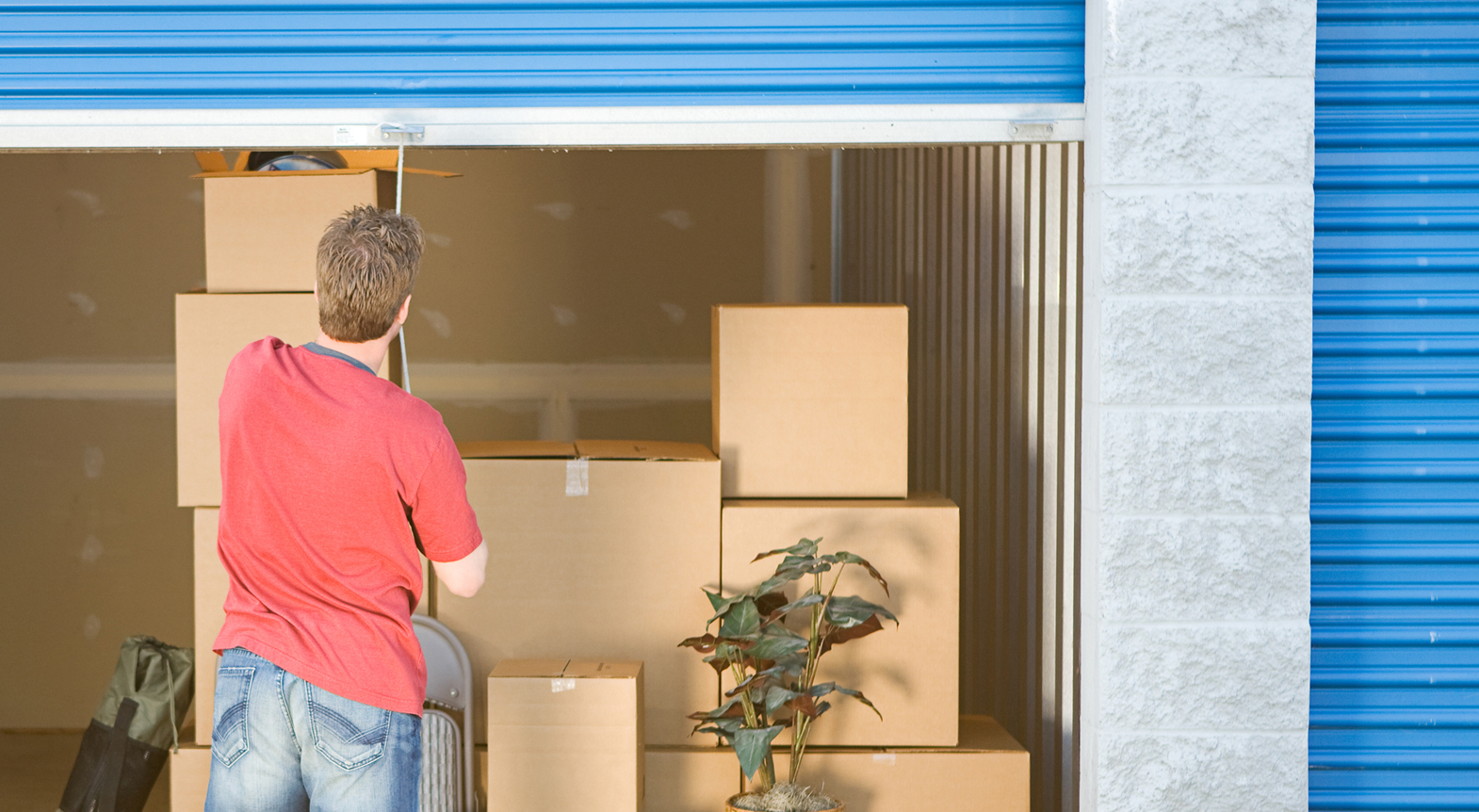
There are plenty of reasons you may suddenly find yourself short on space. Moving is one of the most common, especially when your move-out and move-in dates don’t line up perfectly. A storage unit can give your belongings a temporary home while you wait for your new space to be ready.
Instead of letting boxes take over your living room or making quick decisions about belongings you may want later, personal storage gives you room to figure out your next move.
Short-term vs. long-term storage: Which one fits
How long you need storage depends on what’s happening in your life. Short-term storage can be a convenient solution during a move, renovation, or temporary relocation. You can keep your belongings out of the way until you’re ready to bring them home again.
Long-term storage may make more sense when downsizing or when you have furniture, family keepsakes, seasonal items, or other belongings you want to keep but don’t regularly use.
Choosing the Right Storage Unit for a Move
Moving is stressful enough without having to wonder where everything will fit. A storage unit can act as a helpful middle ground between your old home and your new one, giving you more flexibility throughout the process.
Start by thinking about what you actually need to store. Are you storing a handful of boxes while you get settled, or the contents of an entire apartment? Knowing what you're storing will make choosing a unit much easier.
How to estimate the space you will need
One of the most common storage questions is, “What size unit do I need?” Before renting, take inventory of everything you plan to store. Group similar items together, and note larger pieces such as couches, mattresses, tables, dressers, and appliances.
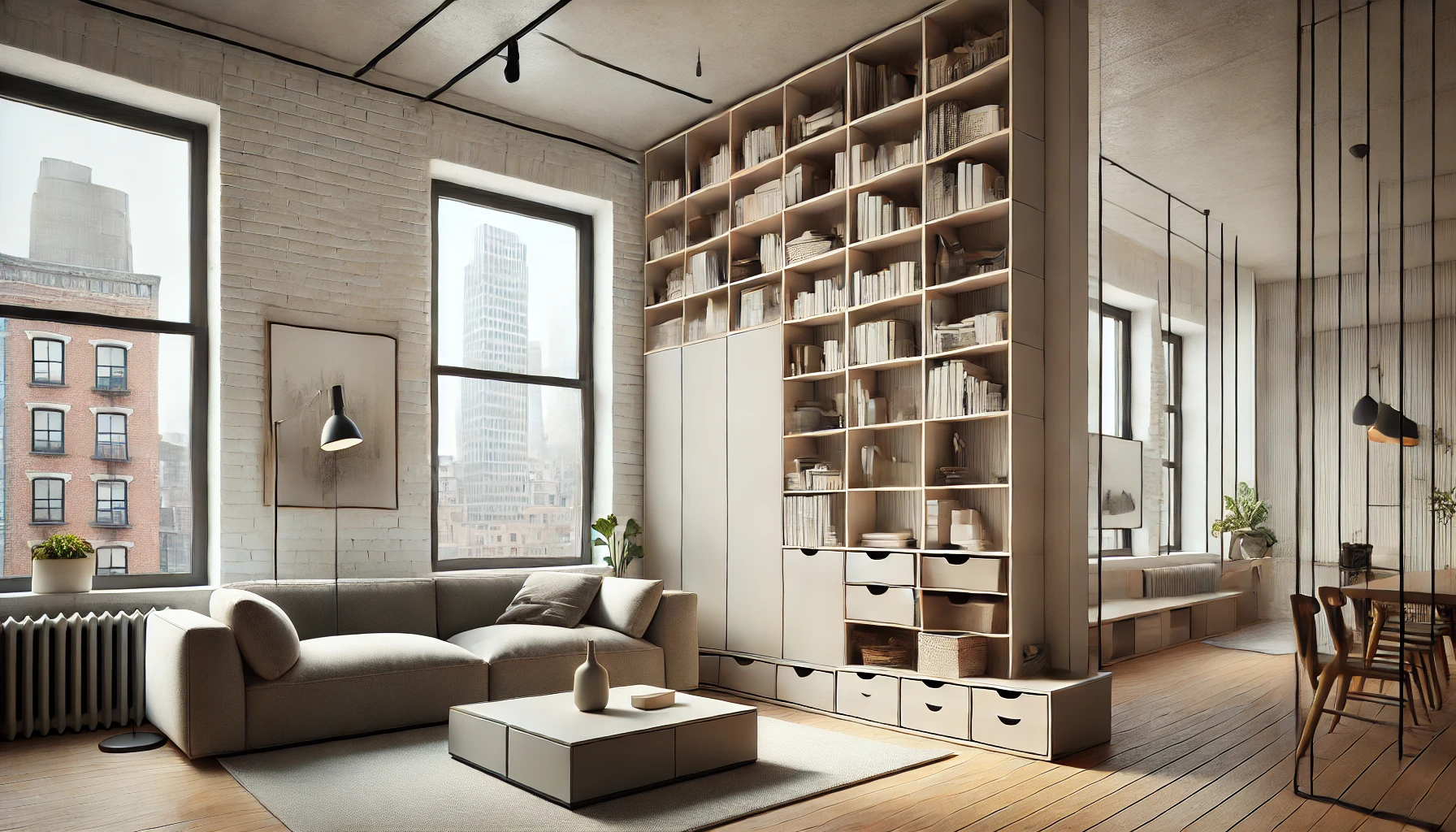
Remember that storage space isn’t just about floor space. You can stack boxes, store furniture vertically, and fit smaller items inside larger pieces. Planning how you’ll organize your unit can help you use every square foot.
Packing and loading tips that protect your belongings
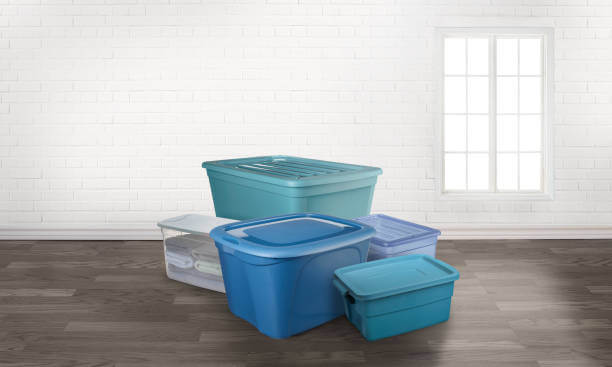
A little planning before move-in can make a big difference when it’s time to unpack. Start with sturdy boxes and clearly label each one with its contents and the room it belongs to. Avoid overpacking boxes, especially when storing books, dishes, or other heavy items.
Protect furniture with moving blankets or covers, and wrap fragile belongings carefully before boxing them. When loading your unit, put heavier, sturdier items toward the bottom and lighter boxes on top.
Storage for Home Remodeling and Renovation Projects
Renovating your home can transform your space, but the process can get messy. Between contractors, tools, construction materials, and displaced furniture, even a small project can quickly make your home feel crowded.
Moving furniture and other belongings into storage gives contractors more room to work and keeps your possessions out of the construction zone. It can also make larger projects easier to tackle without constantly moving items from room to room.
Keeping furniture safe from dust, paint, and damage
Construction dust has a way of getting everywhere. Even when a renovation is limited to one part of your home, furniture and belongings in nearby rooms can be exposed to dust, paint, debris, and accidental damage.
Before putting furniture into storage, clean and dry each piece thoroughly. Disassemble larger furniture when possible and keep screws, bolts, and other hardware together in clearly labeled bags. Use breathable furniture covers or moving blankets to help protect surfaces, and carefully wrap fragile pieces.
How Storage Makes Downsizing Feel Manageable
Downsizing can be exciting, whether you’re moving into a more manageable home, simplifying your lifestyle, or just deciding you no longer need as much space. But sorting through years of belongings can also feel overwhelming.
A storage unit gives you something valuable during the process: time. Instead of deciding the fate of every item before moving day, you can store belongings you’re unsure about and revisit them once you’re settled.
Deciding what to keep, store, donate, or sell
Breaking the process into four categories can make downsizing easier:
- Keep: Items you use regularly, love, or know will have a place in your new home.
- Store: Seasonal belongings, sentimental items, extra furniture, family keepsakes, and other things you want to hold onto but don’t need every day.
- Donate: Clothing, furniture, housewares, and other usable items that no longer fit your lifestyle.
- Sell: Valuable belongings that you no longer need and could find a second home for.
What Size Storage Unit Do You Need?
The right storage unit should give you enough room for your belongings without making you pay for unused space. The best size depends on how much you’re storing, the size of your furniture, and whether you’ll need room to move around inside your unit.
Unit size guide: From a 5 x 5 to a large unit
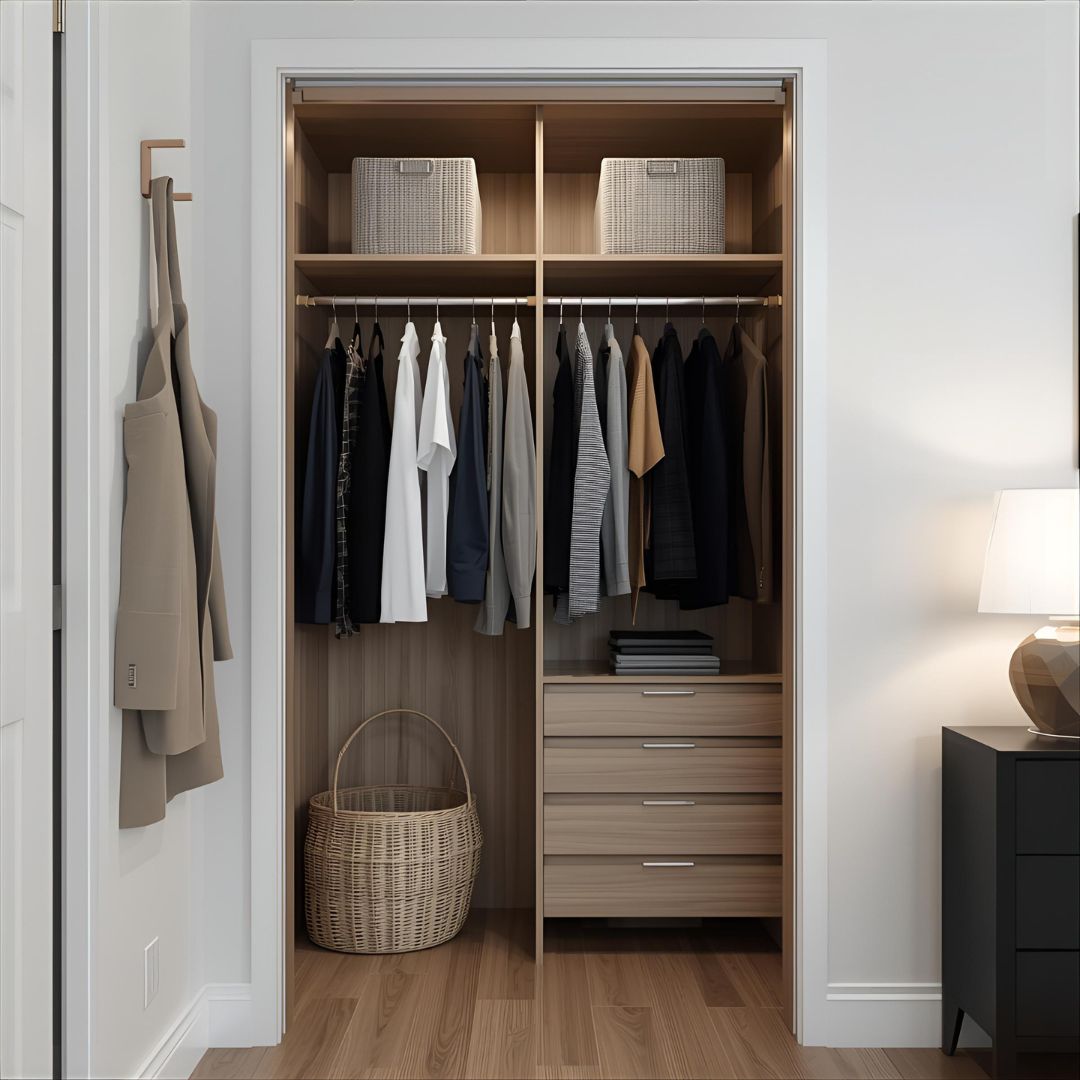
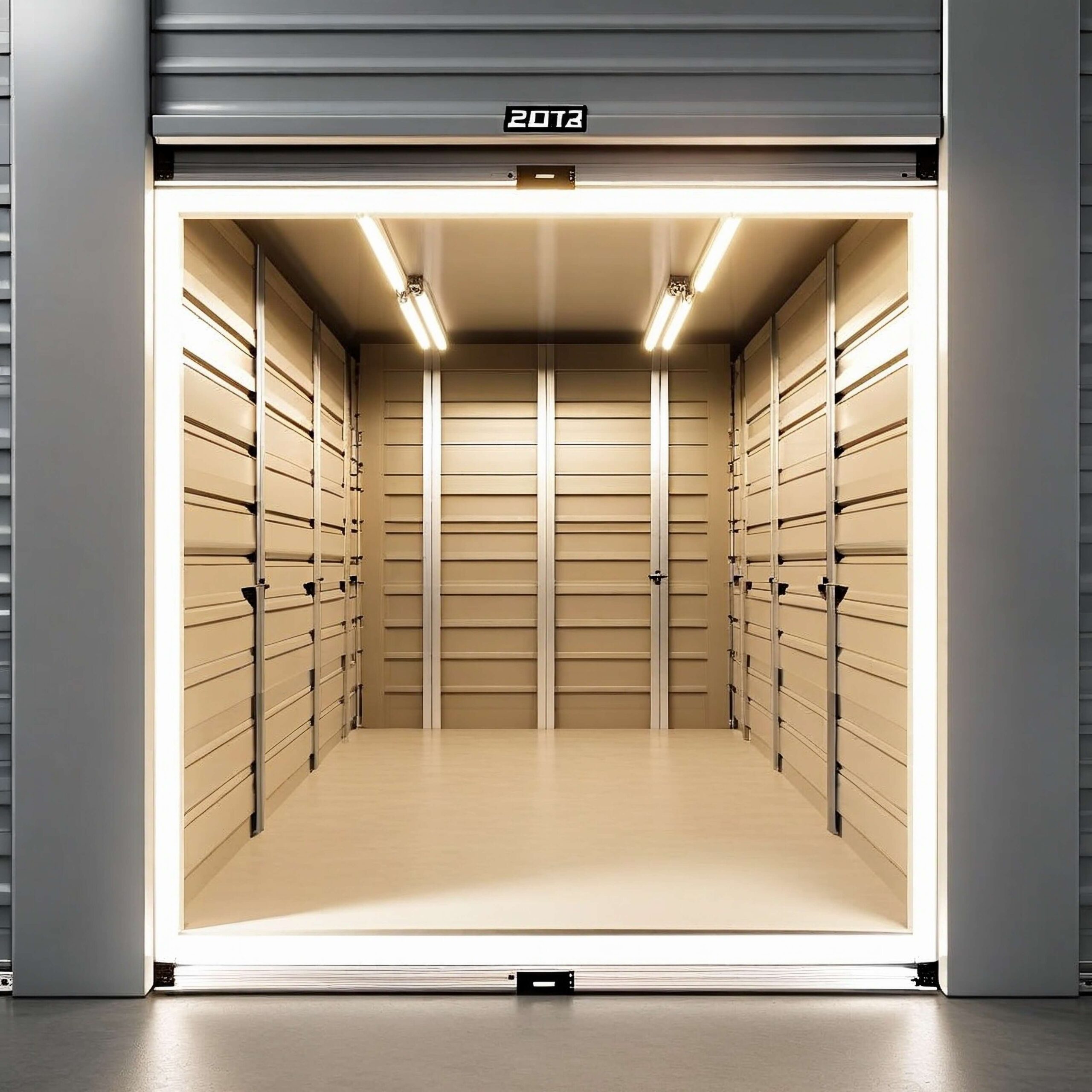
A 5 x 5 storage unit is a great starting point when you only need a little extra room. It can hold boxes, seasonal items, small furniture, and other belongings you might typically keep in a closet.
Moving up in size gives you more flexibility for larger furniture and greater quantities of household items. Mid-sized units can be useful during apartment moves or renovation projects, while larger units can accommodate the contents of multiple rooms or even an entire home.
Why Brooklyn Chooses iStoreGreen for Personal Storage
When you’re already dealing with a move, renovation, or major life transition, storage should be easy. Located at 12 Hall Street in Brooklyn, iStoreGreen offers a range of storage unit sizes along with convenient features designed to make moving your belongings in and out as simple as possible.
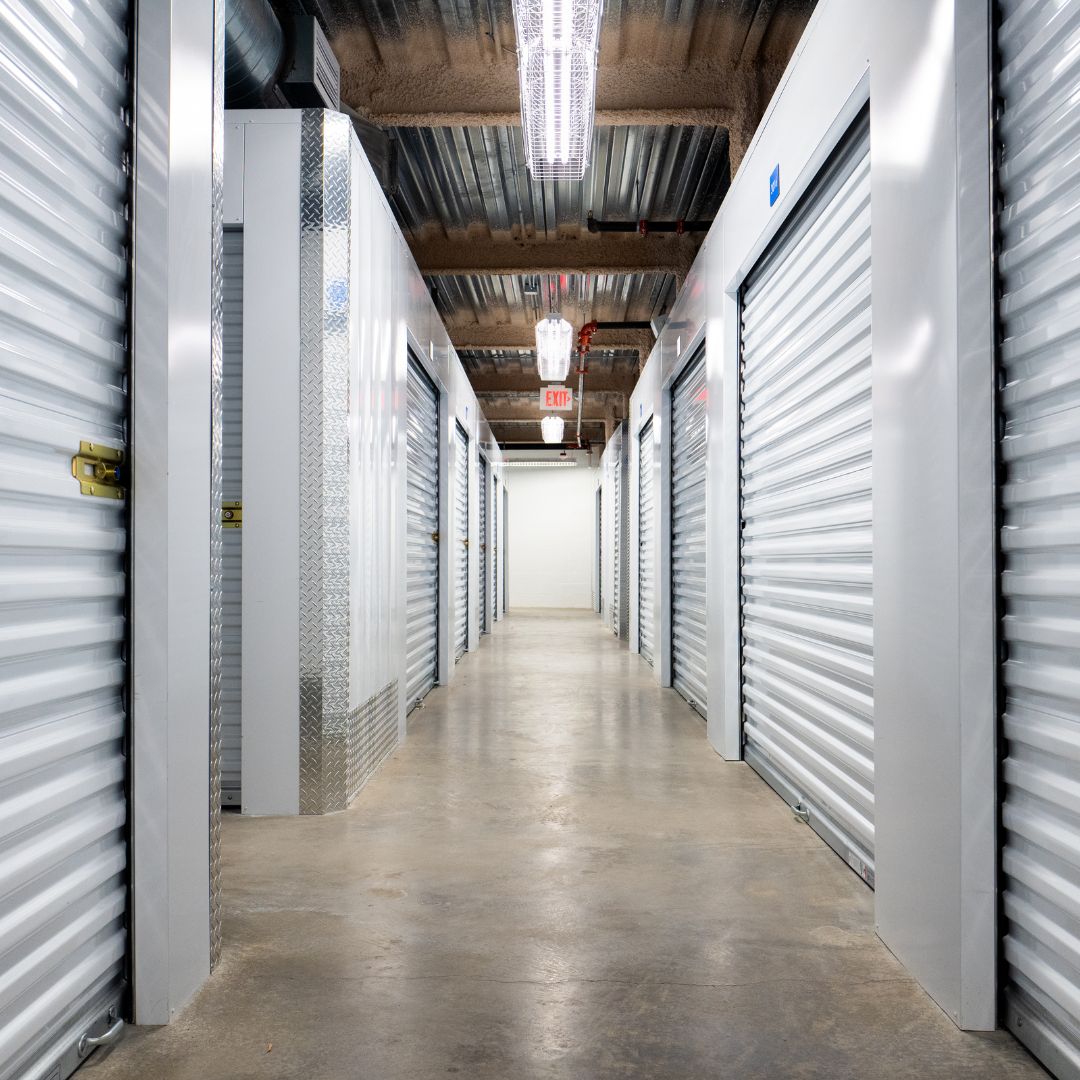
Our eco-friendly facility offers secure storage with 24-hour surveillance cameras, an on-site manager, a double-lock system, indoor loading, and carts and dollies to make move-in easier. Customers can also use our free move-in truck to reduce moving stress.
Ready to make some extra room? Contact iStoreGreen today to request a quote and find the right personal storage unit for your needs.